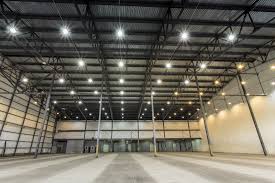
As energy prices remain high and sustainability targets tighten, commercial and industrial businesses across Australia are turning to energy efficient lighting to slash electricity bills, reduce maintenance, and improve workplace safety. Lighting can account for up to 40% of a commercial building’s energy use. For warehouses, factories, and large offices, switching to modern LED systems often delivers significant energy savings while delivering better quality light and far less heat output.
In this guide, we break down why energy-efficient lighting matters in 2026, the key benefits for your business
Why Upgrade to Energy Efficient Lighting Now?
Traditional fluorescent, halogen, and metal halide lights waste enormous amounts of energy as heat and require frequent replacements. Modern LED lighting changes that completely:
- Dramatic energy savings — LEDs use up to 75% less electricity than halogens and 50–80% less than older fluorescents or high-bay lights.
- Longer lifespan — LEDs last up to 25 times longer, dramatically cutting maintenance and replacement costs — especially important in hard-to-reach warehouse or factory ceilings.
- Lower running costs — Reduced energy use + fewer bulb changes = fast payback periods, often within 1–3 years.
- Less heat generation — Lower cooling loads on air conditioning systems, delivering secondary savings.
- Improved safety & productivity — Brighter, more consistent light with better colour rendering reduces eye strain, improves visibility for machinery operation, and minimises shadows in industrial environments.
- Environmental wins — Lower energy consumption means reduced carbon emissions and better alignment with ESG and net-zero goals.Innovative Strategies Built For Long Term Success read more
| Metric | 36w Fluorescent fitting | 40w LED batten | 40LW LED panel |
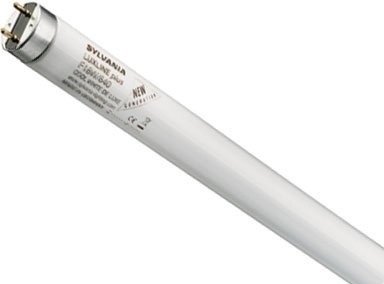 | 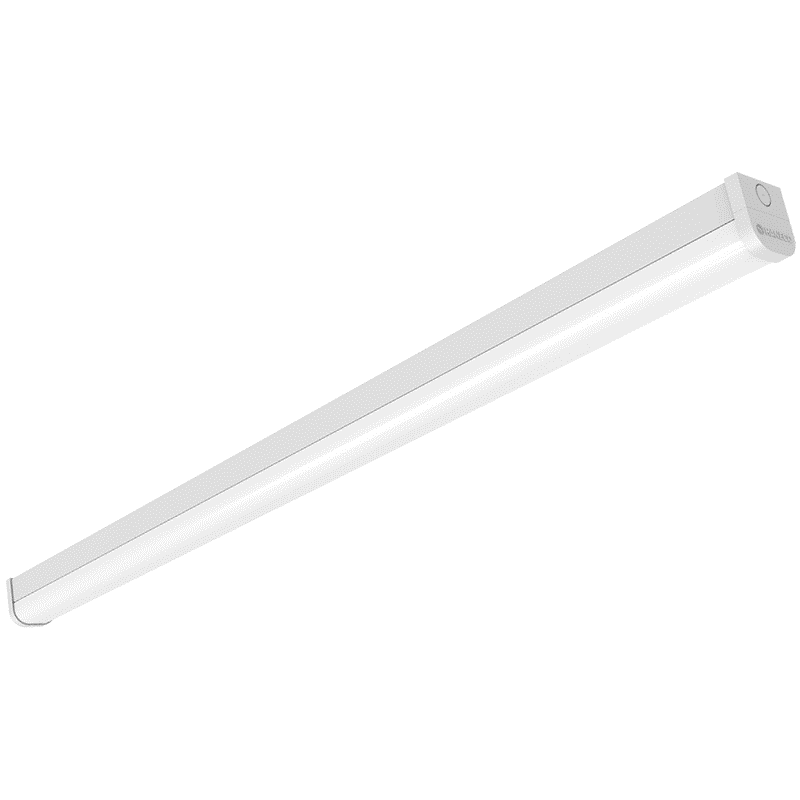 | 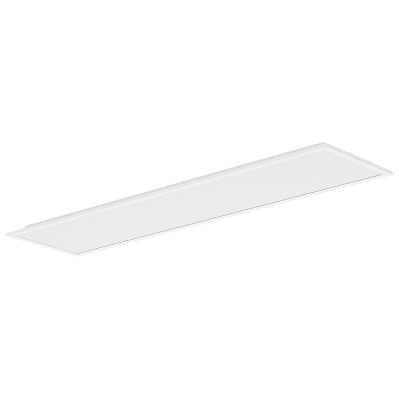 | |
| Power Consumption | 40 watts (including losses) | 40 watts | 40 watts |
| Light output | 3,200 lumens | 4,500 lumens | 4500 lumens |
| Lifespan | 7,000 – 15,000 hours | 50,000 hours + | 50,000 hours + |
| Power efficiency | 80-90 Lumens / watt | 100 – 150 Lumens / watt | 100 – 150 Lumens / watt |
| Dimmable | No | Yes | Yes |
| Require replacement parts | Yes | No | No |
| Labour costs to service | Yes | None | None |
| Warranty | Limited / None | 5 years | 5 years |
| Aesthetics | Ugly | Sleek & stylish | Flush finish |
| Tri Tone colour switch | No | Yes | Yes |
| Adjustable output | No | Yes | Yes |
For commercial offices, warehouses, manufacturing plants, and industrial sites, these upgrades deliver measurable ROI whilst improving safety and energy efficiency.
Fluorescent Vs LED – Common in all commercial applications
Case Study 1: 10 × 36W Fluorescent Battens vs 10 × 40W LED Battens
Scenario: A light-industrial workshop or commercial office in Queensland with 10 linear batten fittings running daily for 12 hours per day, 5 days per week at an energy price is 28 cents per Kilowatt-hour
| Metric | 10 × 36W Fluorescent Battens | 10 × 40W LED Battens | Annual Saving (10 fittings) |
|---|---|---|---|
| Power draw per fitting (incl. losses) | 40W | 40W | – |
| Total system power | 400W | 400W | – |
| Annual energy consumption | 1,248 kWh | 1,248 kWh | – |
| Annual energy cost | $349.44 | $349.44 | – |
| Approx. heat load (total) | ~1,467 BTU/hr | ~1,364 BTU/hr | 103 BTU/hr less |
| Light output (typical total) | ~33,000 lumens | ~40,000–45,000 lumens | +20–35% brighter |
| Lamp lifespan | 7,000 – 15,000 hours | 50,000+ hours | 3 –7× longer |
| Annual maintenance cost | $200 (tubes replaced every ~2 years + labour & disposal | $200 | |
| Total annual cost (energy + maintenance) | $549.44 | 349.44 | $200 |
While most businesses have far more than 10 fluorescent tubes installed, this case study illustrates two key benefits of switching to LED lighting: dramatically reduced maintenance costs and significantly higher light output. It clearly demonstrates the clear superiority of LEDs over fluorescent tubes through better performance, much longer lifespan, and virtually zero maintenance requirements.
Gas Discharge lamps Vs LED – Common in most Industrial Applications
| Metric | 400w Metal Halide | 150w LED highbay |
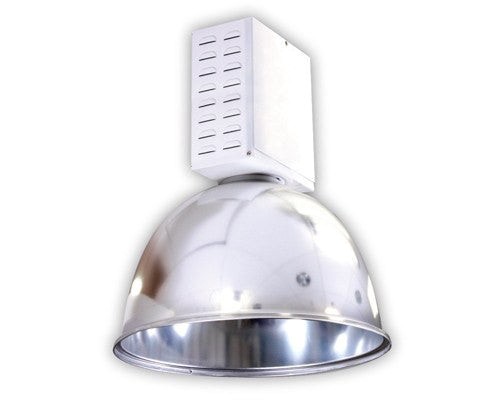 | 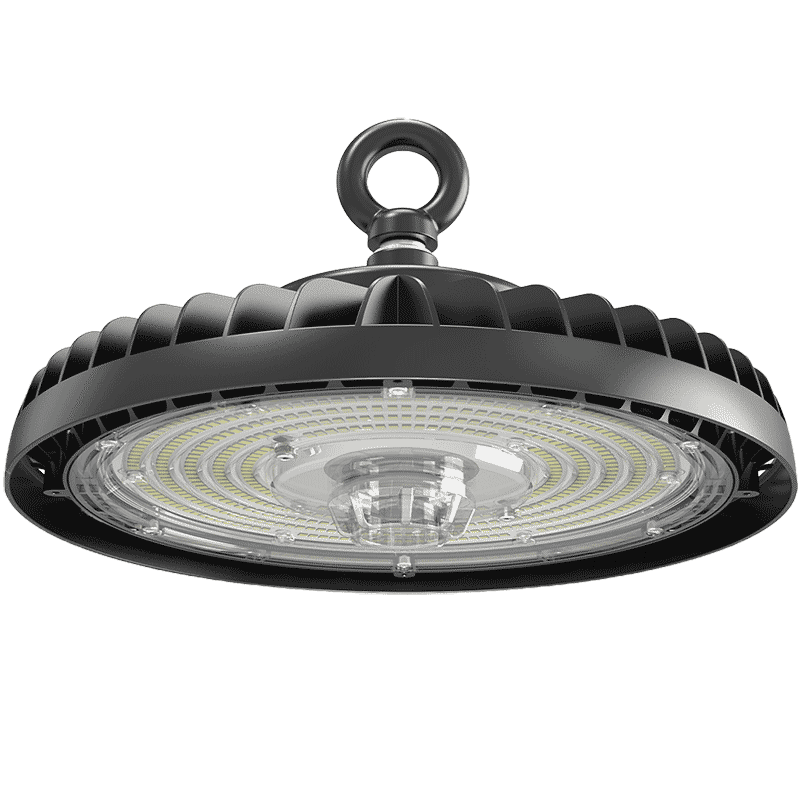 | |
| Power Consumption | 455 watts (Including Losses) | 150 watts |
| Light output | 24 – 36,000 lumens | 25 – 30,000 lumens |
| Lifespan | 15,000 hours | 50,000 hours + |
| Power efficiency | 50-80 Lumens / watt | 160 – 2000 Lumens / watt |
| Dimmable | No | Yes |
| Require replacement parts | Yes | No |
| Labour costs to service | Yes | None |
| Warranty | Limited / None | 5 years |
| Aesthetics | Ugly | Compact |
| Tri Tone colour switch | No | Yes |
| Adjustable output | No | Yes |
Case Study 2: 10 × 400W Metal Halide Highbays vs 10 × 150W LED Highbays
Scenario: A medium-sized warehouse or manufacturing facility in Queensland with 10 high-bay lights operating in a high-ceiling environment. Scenario assumes 12 hours per day, 5 days per week, 52 weeks per annum and a 0.28 cent KWh energy price.
| Metric | 10 × 400W Metal Halide Highbays | 10 × 150W LED Highbays | Annual Saving (10 fittings) |
|---|---|---|---|
| Power draw per fitting (incl. losses) | ~455W (400W lamp + ballast & control gear) | 150W | – |
| Total system power | 4,550W | 1,500W | 3,050W |
| Annual energy consumption | 14,196 kWh | 4,680 kWh | 9,516 kWh |
| Annual energy cost | $3,974.88 | $1,310.4 | $2,664.48 |
| Approx. heat load (total) | ~15,520 BTU/hr | ~5,115 BTU/hr | 10,405 BTU/hr less |
| Light output (typical total) | ~240,000–360,000 lumens | ~250,000–300,000 lumens | Equivalent or better |
| Lamp lifespan | 15,000 hours | 50,000–100,000 hours | 3–6× longer |
| Annual maintenance cost | ~$250 (lamps replaced every 3-5 years + high labour for elevated access, disposal, and warm-up/re-strike issues) | None | $1,050 |
| Total annual cost (energy + maintenance) | 4224.88 | $1,310.4 | $2913.6 |
Upgrading your lighting from older style systems to LED fittings has a significant economic advantage often paying itself off in 1 – 3 years. Our comparison tables and case studies shows how LED lighting can reduce your energy consumption, reduce electrical maintenance costs and provide higher quality lighting that improves safety and production.
Lighting action tips to save $$$$
1). Use the case study tables and comparison tables to calculate your own energy usage and costs
2). Contact your local electrical contractor for a free site lighting assessment and proposal
3). Consider smart lighting systems, timers and sensors to reduce UN-necessary wasteage
David – Building Technology Solutions
Leave a Reply